
How to Play Retro Games on Tv - Here’s What I Discovered
Playing retro games on your TV is one of the best ways to relive classic gaming memories or introduce timeless titles to a new generation. Whether you want to enjoy pixel-perfect classics from the NES, Sega Genesis, or Super Nintendo, connecting these vintage games to modern TVs can feel tricky—especially with all the evolving technology around us. In this article, I'll share my expertise on how to play retro games on TV, focusing on easy setups, affordable options, and the best gear to get authentic gameplay at home. From using emulators and classic consoles with HDMI adapters to exploring retro game consoles with built-in games, I’ll guide you through practical methods to bring your favorite pixelated worlds to life on your big screen. You’ll also learn about FPGA consoles, AV to HDMI converters, and tips for maintaining low input lag for a smooth, responsive gaming experience. Whether you’re a seasoned collector or a casual retro fan, this guide will help you set up classic gaming on your modern TV effortlessly.
Understanding the right gear and connection types is critical to avoid frustrating setups or poor video quality. I’ve tested various configurations and know firsthand how confusing it can be to get classic consoles to work seamlessly on today’s TVs. Let me break down exactly what you need, from analog to digital signal conversion to recommended console models and the pros and cons of each approach. By the end, you’ll have confidence in setting up your retro gaming station and optimizing it for nostalgia-fueled fun. Let’s jump in and get those retro games glowing on your TV screen!
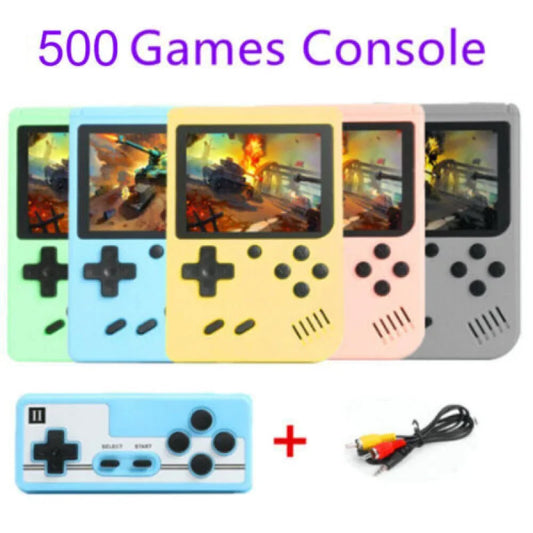
Handheld Retro Consoles | Shop Now

Retro Game Nintendo Cartridge | Retro Game Sega Cartridge | Retro Game PlayStation | Retro Game Xbox | Retro Game Atari Cartridge | Retro Game PC DOS Classics | Retro Game Arcade Console | Retro Game RPG Cartridge | Retro Game Racing Cartridge
Why Playing Retro Games on TV Is Still Popular
Retro gaming has seen a huge resurgence because those classic titles bring a unique style and challenge modern games can’t replicate. The simplicity, strong gameplay, and nostalgia factor make retro games a go-to for gamers of all ages. However, connecting decades-old consoles to modern TVs is no longer as straightforward as plugging in an old RCA cable due to changing technology standards.
Common Challenges With Retro Consoles and Modern TVs
-
No Analog inputs on modern TVs: Most new TVs lack composite or component inputs, which classic consoles rely on.
-
Signal Compatibility: Modern TVs expect a digital HDMI signal, while retro consoles output analog video.
-
Input Lag: Some TVs introduce delay when converting signals, which ruins fast-paced gameplay.
-
Resolution mismatch: Retro games often have low resolution and 4:3 aspect ratios, conflicting with widescreen TVs.
Thankfully, these challenges have solutions that preserve the authentic retro feel with minimal fuss.
Plug & Play Retro Consoles | Shop Now

Retro Game Fighting Cartridge | Retro Game Sports Cartridge | Retro Game Puzzle Board Cartridge | Retro Game Sega Boxed US | Retro Game Sega Boxed JP | Retro Game Sega Boxed EU | Retro Game Sega Boxed RU | Retro Game 16 Bit Sega | Retro Game Sega Box Manuals | Retro Game Famicom Card
Connecting Classic Consoles to Your TV
Using HDMI Adapters and Converters
Many retro consoles output composite video through RCA connectors. To connect these to a modern HD TV, you need an AV to HDMI converter. These convert analog signals to HDMI so your TV can recognize the input. Popular models like the Tendak or Musou converters work well with minimal lag.
Pros and Cons of Using Converters
-
Pros: Inexpensive, easy setup, supports multiple consoles.
-
Cons: Potential input lag, picture quality still limited by original hardware.
Atari Retro Consoles | Shop Now

Retro Game Portable Consoles | Retro Game Handheld Systems With Built | Retro Game Plug And Play Consoles | Retro Game Sticks | Retro Game Raspberry Pi Consoles | Retro Game All In One Consoles | Retro Game Wireless Consoles | Retro Game Emulators | Retro Game Emulator Consoles | Retro Game Hard Drives
Recommended Setup
-
Connect your console’s AV output to the converter’s input.
-
Connect the converter’s HDMI output to your TV.
-
Switch your TV to the right HDMI input and start gaming.
Using HDMI-Compatible Retro Consoles
Several companies release modern retro consoles with HDMI output built-in, which offers plug-and-play ease for today's TVs.
Sega Retro Games | Shop Now

Retro Game NES 8 Bit 72 Pin Card | Retro Game NES SNES | Retro Game Sega Genesis Mega Drive | Retro Game Nintendo 64 GameCube | Retro Game PlayStation 1-2 | Retro Game Atari Consoles | Retro Game Classic Mini Consoles | Retro Game Boy Advance | Retro Game PSP PS Vita Classics | Retro Game Best Handheld Console
Examples include:
-
Analogue Nt Mini: Premium FPGA-based console supporting NES and Famicom cartridges with perfect video output.
-
RetroN 5: Plays multiple retro cartridges and outputs HDMI without converters.
-
Polymega: Modular retro console supporting multiple platforms with HDMI.
These consoles deliver crisp graphics and low input lag, ideal for retro purists wanting the best experience.
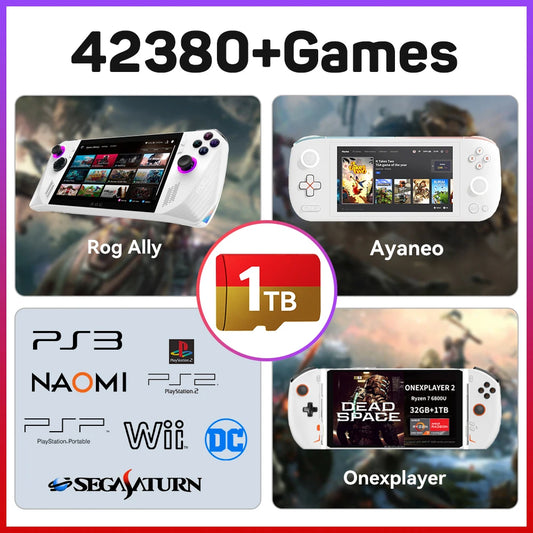
Emulators and Retro Gaming PCs on TV
Emulators are software recreations of old hardware that run classic games on modern computers or streaming devices.
Setting Up Emulators on TV
-
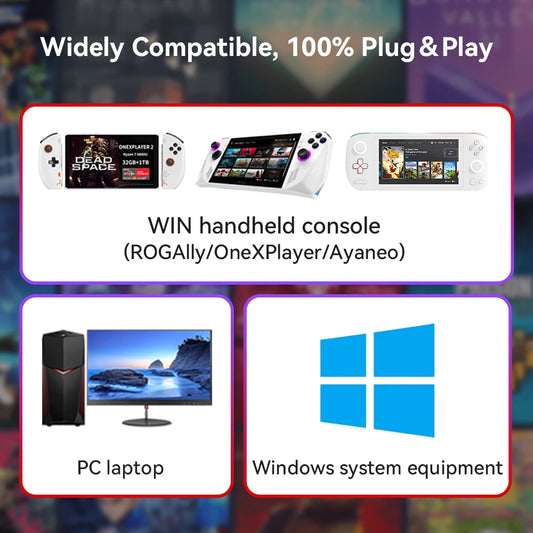
Connect your PC or device to your TV with HDMI.
-
Use a classic-style controller compatible with your system.
-
Load legally obtained ROMs and customize video settings to match retro screens.
While emulators offer flexibility and convenience, they require some technical setup and don't offer the same authentic cartridge experience.
PlayStation Retro Games | Shop Now

Retro Game Controllers Accessories | Retro Game Storage Box | Retro Game Gameboy GBA Parts | Retro Game Console Dismantling Tools | Retro Game Nintendo NDS 3DS Accessories | Retro Game PSP Accessories Parts | Retro Game Neo Geo Pocket Accessories Parts | Retro Game Console Shell Parts | Retro Game Replacement LCD Screen
Leveraging FPGA-Based Consoles for Authenticity
FPGA (Field Programmable Gate Array) consoles replicate original hardware at the circuit level, avoiding software emulation pitfalls. This means:
-
Near-native gameplay without lag.
-
Support for original cartridges.
-
HDMI output ready for modern TVs.
FPGA consoles like the Analogue Pocket or Nt Mini provide the most authentic retro gaming experience on contemporary TVs.
Tips for Optimal Retro Gaming on TV
-
Use TVs with a Game Mode to minimize input lag.
-
Consider an external CRT or a low-latency gaming monitor for unmatched authenticity.
-
Invest in high-quality HDMI cables and converters to preserve signal integrity.
-
Adjust TV settings to maintain 4:3 aspect ratio and disable image processing effects.
Conclusion
Playing retro games on your TV brings classic gaming into your living room with vibrant colors and smooth controls. Whether you use simple AV to HDMI converters, invest in premium FPGA consoles, or run emulators on your PC, there are many ways to enjoy those beloved retro games on modern screens. With the insights I’ve shared from personal experience and technical expertise, you can confidently set up a retro gaming station that honors the rich legacy of these timeless classics.
If you’re ready to dive deeper, check out the wide selection of retro gear and HDMI-compatible consoles at RETRO-GAMES.CO, where I regularly review and recommend the best products for retro enthusiasts.
Retro Games Collections
Retro Game Display Box | Retro Game TPU Sleeve | Retro Game Wonderswan Parts | Retro Game Acrylic Display Box | Retro Game Video Posters | Retro Game Video T Shirts | Retro Game Video Artwork Decor | Retro Game Board Card | Retro Game Toys Collectibles