
How to Build a Retro Game Console - Here’s the Real Story
Building your own retro game console is an incredibly rewarding project that brings the magic of classic gaming right into your home. As a passionate gamer and tech enthusiast, I’ve spent years diving deep into the world of retro gaming, experimenting with consoles and hardware that let you relive iconic titles from the ’80s and ’90s. In this guide, I’ll share my proven, step-by-step approach to building a retro game console tailored for both beginners and seasoned creators. Whether you love NES, SNES, Sega Genesis, or arcade classics, this article will empower you with everything you need to get started.
Throughout this article, you’ll discover the essential hardware components, software options, and configuration tips that make your retro console not just functional but a joy to use. I’ll explain how to choose the right emulator software, find compatible ROMs, and optimize your console to run smoothly with authentic feel and performance. You don’t need to be a tech wizard to achieve excellent results—I'll break down the concepts and share practical advice that anyone can follow.
Also, I'll touch on important topics like controller compatibility, display settings for that perfect vintage look, and even how to expand your retro system with multiple game libraries. By the end of this guide, you’ll have a fully functional retro game console that revives timeless games and brings hours of nostalgic fun. Ready to dive into building your own gaming time capsule? Let’s get started!
Handheld Retro Consoles | Shop Now

Retro Game Nintendo Cartridge | Retro Game Sega Cartridge | Retro Game PlayStation | Retro Game Xbox | Retro Game Atari Cartridge | Retro Game PC DOS Classics | Retro Game Arcade Console | Retro Game RPG Cartridge | Retro Game Racing Cartridge
What Is a Retro Game Console?
A retro game console is a device designed to play classic video games typically from the 8-bit, 16-bit, and early 32-bit eras. These consoles let you enjoy titles from systems like the Nintendo Entertainment System (NES), Super Nintendo Entertainment System (SNES), Sega Genesis, and even arcade cabinets via emulation. Building your own console lets you tailor the experience, integrating multiple platforms into one compact system with modern display and control conveniences.
Atari Retro Consoles | Shop Now

Retro Game Portable Consoles | Retro Game Handheld Systems With Built | Retro Game Plug And Play Consoles | Retro Game Sticks | Retro Game Raspberry Pi Consoles | Retro Game All In One Consoles | Retro Game Wireless Consoles | Retro Game Emulators | Retro Game Emulator Consoles | Retro Game Hard Drives
Essential Hardware for Building a Retro Game Console
Choosing the Right Base: Raspberry Pi vs. Dedicated Retro Consoles
Most DIY retro game consoles today are built around the Raspberry Pi, an affordable single-board computer that supports many emulators. Its compact size and versatility make it perfect for casual builders and hobbyists. Alternatively, you might consider a pre-built retro console kit like the RetroPie, Odroid, or other specialized hardware designed explicitly for retro gaming.
Components You’ll Need
-
Raspberry Pi 4 (recommended for power and compatibility)
-
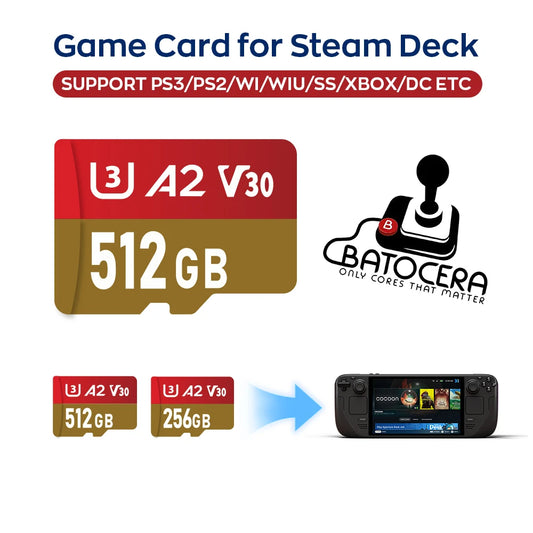
Micro SD card (32GB or more, for OS and games)
-
HDMI cable (for connecting to your TV or monitor)
-
USB power supply (official Raspberry Pi power adapter preferred)
-
Retro-style controllers (USB or Bluetooth)
-
Case or enclosure for a polished look
Sega Retro Games | Shop Now

Retro Game NES 8 Bit 72 Pin Card | Retro Game NES SNES | Retro Game Sega Genesis Mega Drive | Retro Game Nintendo 64 GameCube | Retro Game PlayStation 1-2 | Retro Game Atari Consoles | Retro Game Classic Mini Consoles | Retro Game Boy Advance | Retro Game PSP PS Vita Classics | Retro Game Best Handheld Console
Setting Up Retro Game Console Software
Installing Emulators with RetroPie
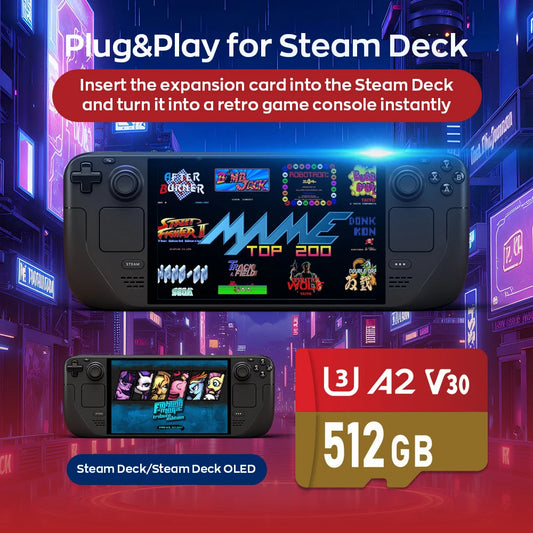
RetroPie is the leading software package for creating retro gaming consoles on Raspberry Pi. It supports dozens of systems and offers a user-friendly interface. Once RetroPie is installed on your SD card, you can easily load games and configure your controllers.
Alternatives: Lakka, Recalbox, and EmulationStation
Other popular operating systems include Lakka, which is lightweight and built specifically for gaming, and Recalbox, which merges gaming with media center functionality. EmulationStation provides a customizable front-end interface if you want more control over your setup.
Where to Find and Manage Retro Game ROMs
ROMs are digital copies of retro games and the lifeblood of your console’s game library. It's essential to source ROMs legally—many classic games are available via official re-releases or open licenses, while others fall into gray areas. You should only use ROMs for games you legally own to remain within copyright laws.
To manage your ROMs:
-
Organize them by system folders (NES, SNES, etc.)
-
Use tools like USB transfer or network sharing to add games
-
Ensure the file formats are compatible with your emulators (.nes, .sfc, .bin, etc.)
PlayStation Retro Games | Shop Now

Retro Game Controllers Accessories | Retro Game Storage Box | Retro Game Gameboy GBA Parts | Retro Game Console Dismantling Tools | Retro Game Nintendo NDS 3DS Accessories | Retro Game PSP Accessories Parts | Retro Game Neo Geo Pocket Accessories Parts | Retro Game Console Shell Parts | Retro Game Replacement LCD Screen
Enhancing Your Retro Console Experience
Controllers: The Feel of Classic Gaming
Using authentic or replica controllers can greatly improve gameplay immersion. Many USB controllers replicate the feel of iconic devices like the SNES gamepad. Wireless Bluetooth controllers add convenience, but wired connections reduce input lag for serious play.
Display Settings for Authentic Visuals
Modern TVs can alter the look of retro games. Emulators offer shaders that mimic CRT scanlines, enhancing the nostalgic feel. Adjusting resolution and aspect ratio keeps pixel art crisp and accurate.
Expanding Your Library and Features
You can add features like save states, cheat codes, and multiplayer support. Emulators often include these options, giving you flexibility far beyond original console capabilities.
Final Tips From My Experience
Building a retro game console is as much about the journey as the destination. Take your time selecting hardware, and don’t hesitate to experiment with different software options until you find what feels right. Keep backups of your ROMs and settings, and join online communities to share tips and discover new games.
If you value authenticity, consider pairing your console with classic-style accessories like arcade sticks or wireless replicas of original controllers. As you refine your system, you’ll enjoy one of the most satisfying DIY tech projects that combines gaming nostalgia with modern convenience.
Would you like me to include a detailed step-by-step installation guide or recommendations for top retro controller models?
Retro Games Collections
Retro Game Display Box | Retro Game TPU Sleeve | Retro Game Wonderswan Parts | Retro Game Acrylic Display Box | Retro Game Video Posters | Retro Game Video T Shirts | Retro Game Video Artwork Decor | Retro Game Board Card | Retro Game Toys Collectibles